Community evacuation handbook (Spanish)
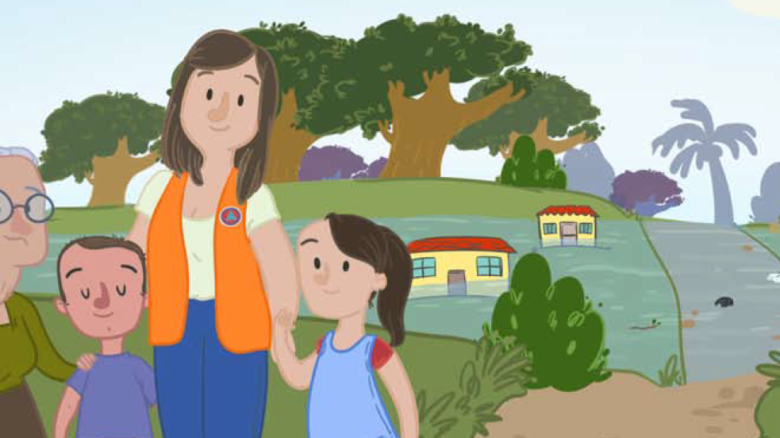
This handbook will help guide all members of the community to move from the flood risk area to meeting points or safe areas.
This guide contains basic aspects on the gender approach (first part), in a clear and understandable way, so that it can be useful to organizations of people with disabilities. In this context, it aims to guide organizations of people with disabilities with the establishment of instruments that allow for the improvement of gender equity and women's participation within the organizations' actions (second part).
«La inclusión es un estilo de interacción esencial para equipos y organizaciones eficaces.»
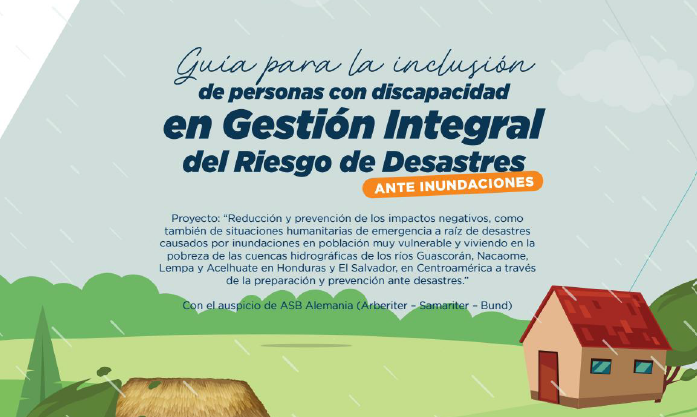
El enfoque inclusivo tiene como fin reducir los riesgos que afectan de manera desproporcionada a las poblaciones en situación de vulnerabilidad, particularmente a las personas con discapacidad quienes tienen mayores tasas de mortalidad, morbilidad y afectación en situaciones de desastres. Por todo esto, se debe trabajar por la inclusión de las personas con discapacidad y sus familiar en la gestión del riesgo de desastres y con mayor énfasis en la preparación para la respuesta a emergencias y desastres. Este manual ayudará a las personas a conocer recomendaciones básicas para la inclusión ante cualquier desastre que se pueda presentar.
This document gathers twelve experiences that were part of the products of the regional project, which allows the sharing of the process and the main lessons learned among the various actors, groups and individuals who were involved in each of the actions implemented by the project in the four countries. In each of the experiences, background information is identified, as well as a description of the experience, its impact, relevance, challenges for sustainability and the replication character that it may have for other actors in order to advance the strategic objectives of these sectors in inclusive risk management. In this way, this document and its systematized experiences are intended to influence or contribute to the continued motivation of exchange with other local, national and international actors interested in inclusion and the generation of change.
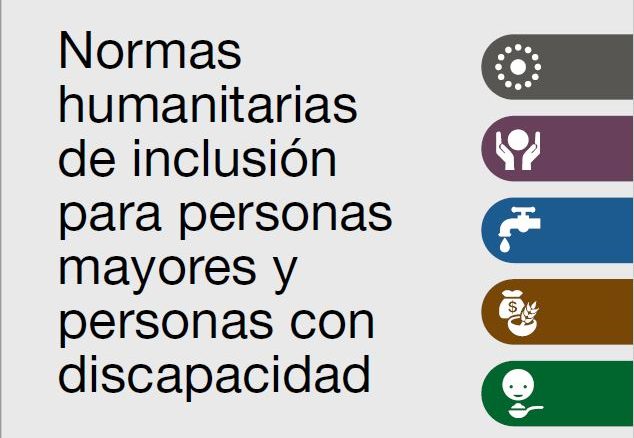
Under the Age and Disability Capacity Programme (ADCAP), led by HelpAge International, the Humanitarian Inclusion Standards for Older Persons and Persons with Disabilities (Spanish). A document that brings together nine key inclusion standards, from learning and resource management to identification and resilience.
In addition, the publication presents seven sector-specific standards, including nutrition, housing and education; each with key actions, guidance, tools and resources, and case studies illustrating how older people and people with disabilities have been included in humanitarian responses.
The use of the Humanitarian Inclusion Standards for Older Persons and Persons with Disabilities (Spanish) helps to identify and successfully reach those most at risk during a humanitarian crisis. The document was translated into Spanish by the ASB and can be downloaded here.
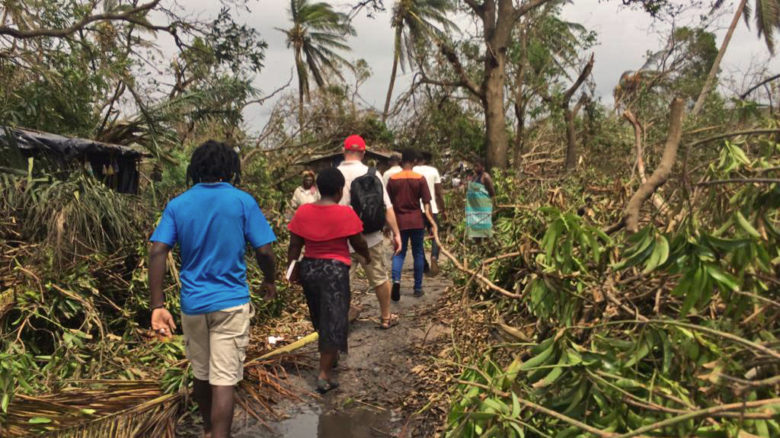
ASB, together with Johanniter International, produced a first draft report on the rapid health assessment in the Nhamatanda district of Sofala province in Mozambique, where Cyclone "Idai" recently struck.
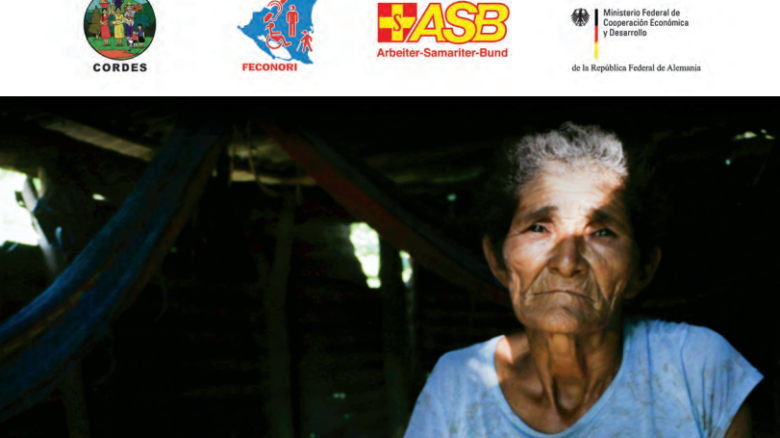
This study presents and compares the legislation and policies of the CA-4 countries with respect to older people and also the situation faced by older people in the region and the challenges posed to Central America by the "OAS International Convention on the Protection of the Human Rights of Older Persons", which has already been ratified by El Salvador and Costa Rica in the region.
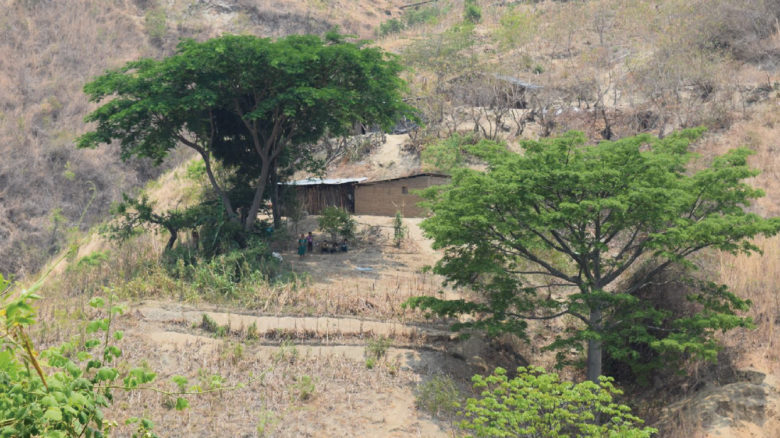
Climate phenomenon El Niño: Drought 2018 and foreseeable food crisis in the Central American dry corridor (impact and needs analysis)
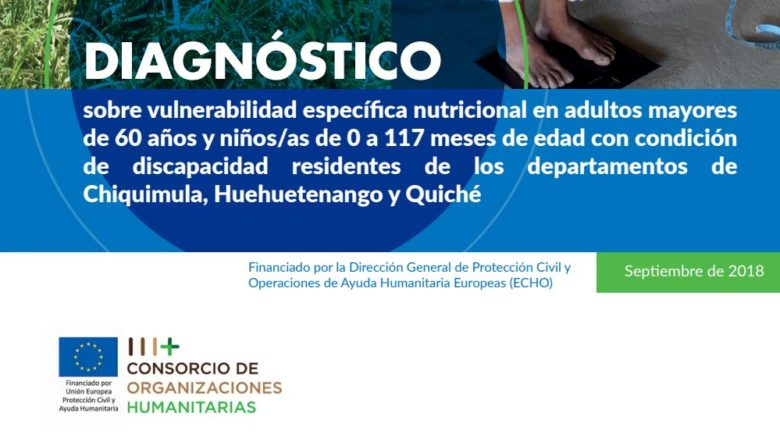
At the end of 2018, ASB presented the study "Diagnosis of specific nutritional vulnerability in adults over 60 years of age and children from 0 to 117 months of age with disability in the departments of Chiquimula, Huehuetenango and Quiché". This diagnosis was prepared in the framework of the project "Response to the food crisis in the most vulnerable communities in Guatemala affected by recurrent droughts and the deterioration of institutional capacity for prevention and care at the local and national levels" (2017-2018). The research was guided by the Institute of Nutrition of Central America and Panama (INCAP) and implemented with funding from the Directorate General of Civil Protection and European Humanitarian Aid Operations (ECHO).
Prepared after consultations with various organizations of people with disabilities and older adults in Central America, the guide proposes training modules for a total of 8 hours and is aimed primarily at community leaders and members of organizations of people with disabilities and older adults committed to the issue of inclusion in disaster care and its dissemination. The publication is made up of two parts: the first contains seven thematic training modules on the inclusion of persons with disabilities and older adults in Integrated Disaster Risk Management; the second part proposes methodological guides for facilitators of training processes, with guidance on how to carry out the activities in concrete terms and their timing.